
The Real Costs of Manual Returns Management
The Real Costs of Manual Returns Management
4 MINS READ


Returns remain one of retail’s biggest margin drains. After every promo or busy season, the same problems show up: slow intake, inconsistent grading, and manual processes that vary from associate to associate. And yet, fewer than one in four brands use enough automation, according to the Reverse Logistics Association.
Let’s break down five ways legacy returns processes drain margin – and why a modern tech stack is essential to move your program forward.
1) Slow, Expensive Processes (That Get Slower When It Matters Most)
Manual returns don’t scale. Every touch adds time and cost. During peak season, those costs explode. Throughput slows, queues grow, and good inventory misses its sell window.
The kicker: easy items get stuck behind harder ones. A tags-on return waits in line next to a “maybe” that needs inspection. Your best inventory sits idle, losing value by the day.
The cost of manual returns is predictable: more labor, slower time-to-list, and valuable inventory sitting unsold.
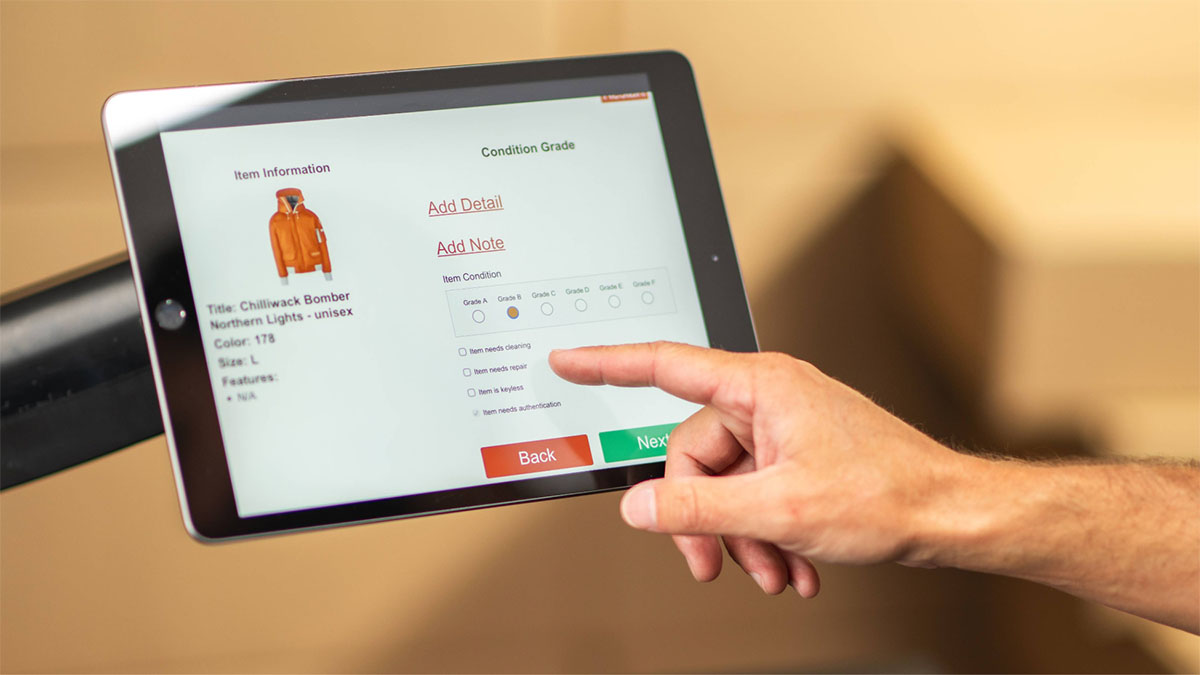
2) Missed Return-to-Stock (RTS) Opportunities
A big share of returns could go right back into stock, but they don’t. Here’s where things break down:
- Some items that are perfectly resellable get sent to refurb or liquidation because the standard isn’t clear, or because associates play it safe.
- Other items that are borderline get sent back to stock anyway, only to be returned again later in worse condition – what we call “double returns.”
Because decisions depend on gut feel, not consistent rules, up to half of potential return-to-stock is lost in some warehouses. Even a 1% lift in return-to-stock on high-volume categories can add six figures to the bottom line. Missing 10-20% because of inconsistent grading is one of the most costly, fixable problems in returns.
3) Margin Lost to Subjective Calls
Legacy returns rely on human judgment for every step: grade, clean, repair, rebox. Associates do their best, but at scale, judgment turns inconsistent and costly.
The common patterns are easy to spot:
- Over-servicing: Items get cleaned or repaired “just to be safe,” even when it won’t pay back.
- Decision drag: Associates over-document, causing delays in RTS.
- Ping-ponging: Items bounce between stations waiting for a second opinion or a missing step.
The result is delay and waste: slower time-to-list, service costs out of balance with value, and more liquidation than your brand can afford.
Why Modern Returns Need a Modern Stack
You can’t fix today’s returns challenges with yesterday’s processes. Legacy setups weren’t built for the speed, scale, and complexity of ecommerce and recommerce. A new era of returns needs a new stack designed for automation, consistency, and visibility from day one:
- Consistent decisions: Item-level data, photos, and rules-based workflows make grading clear and repeatable across teams and sites.
- Faster flow: Automated routing moves the easy items forward instantly, while exceptions carry context so they don’t stall the line.
- Full visibility: Every unit carries a digital record from intake through disposition, giving teams the data they need to spot fraud, measure recovery, and reduce waste.
The result is fewer manual touches, faster resale, higher recovery rates, and a returns process that informs (not drags down) the rest of the business.
The Smarter Way to Handle Returns
If you’re ready to update your own returns process, it’s time to consider a Returns Management System. Learn how Trove’s RMS brings automation, visibility, and consistency to every step. We’ll help you map out where to start and how to make changes that actually pay back. Reach out anytime.

Your Resale Questions, Answered
1) Why do manual returns processes get worse during peak season?
Manual workflows don’t scale – each additional touch adds time, and peak volume creates queues that delay intake and grading, causing resellable inventory to miss its optimal sell window.
2) How does inconsistent grading reduce return-to-stock (RTS) and margin?
When grading depends on individual judgment, resellable items get routed to liquidation “to be safe,” while borderline items may be returned to stock and come back again – both outcomes reduce recovery and increase costs.
3) How does a Returns Management System (RMS) reduce returns costs?
An RMS standardizes grading with rules and item-level data, automates routing, and provides end-to-end visibility, reducing manual touches, improving RTS, and increasing recovery rates.