4 MINS READ
A customer ships back a $180 jacket with the note: “wrong fit.” In the warehouse, your associate finds a faint coffee stain on the cuff and a loose button. Do they restock it? Clean it? Send it to repair? List it to an outlet? Every minute it sits, its value slips.
Visual workflows end the guessing game on returns management. On-screen photos and prompts walk the associate through the exact checks – zooming in on cuffs, lining, zipper, tags – then auto-suggest the right next step based on your brand rules. What used to be a highly subjective experience becomes a consistent, fast decision. The jacket lands in the right channel, and your brand standard shows up the same way in every facility.
That’s what visual workflows do: they turn messy, one-off judgment calls into clear, repeatable decisions, so returns move, value is recovered, and your team feels confident instead of stuck.
Here are just a few examples of how visual workflows can support your returns program:
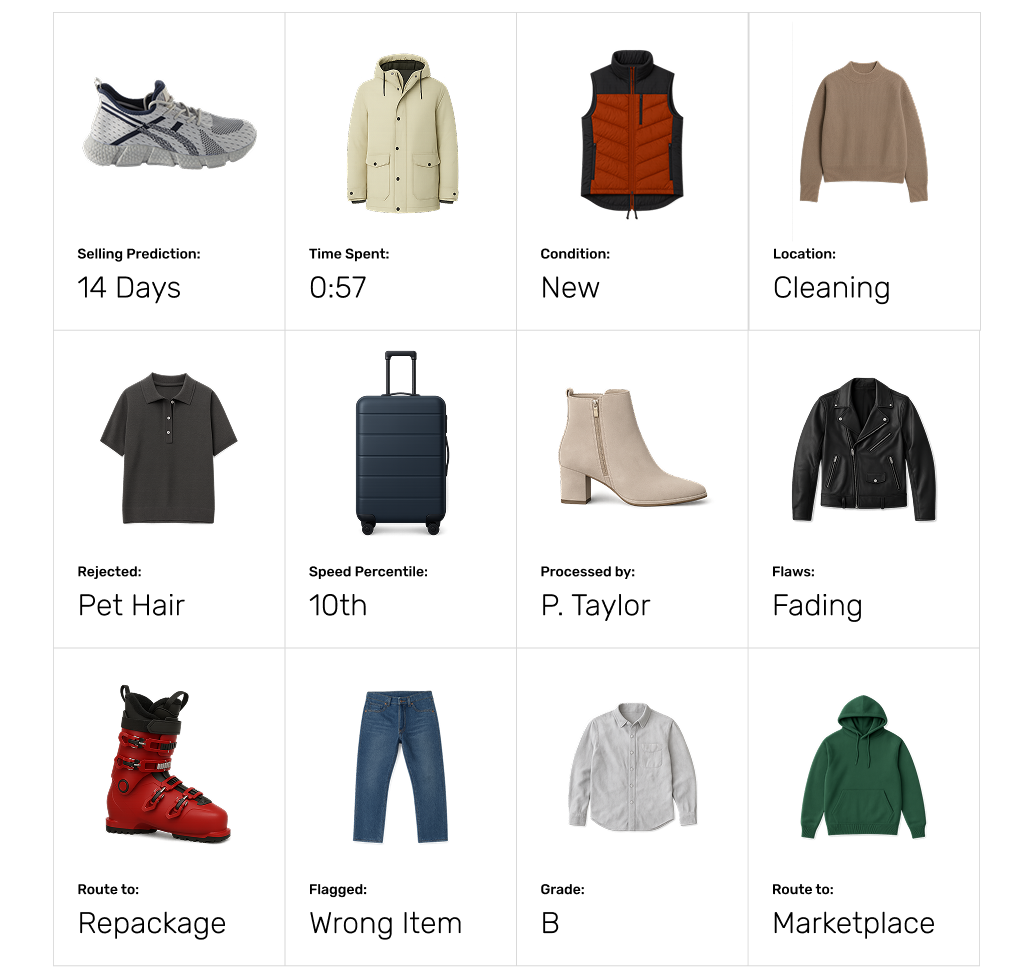
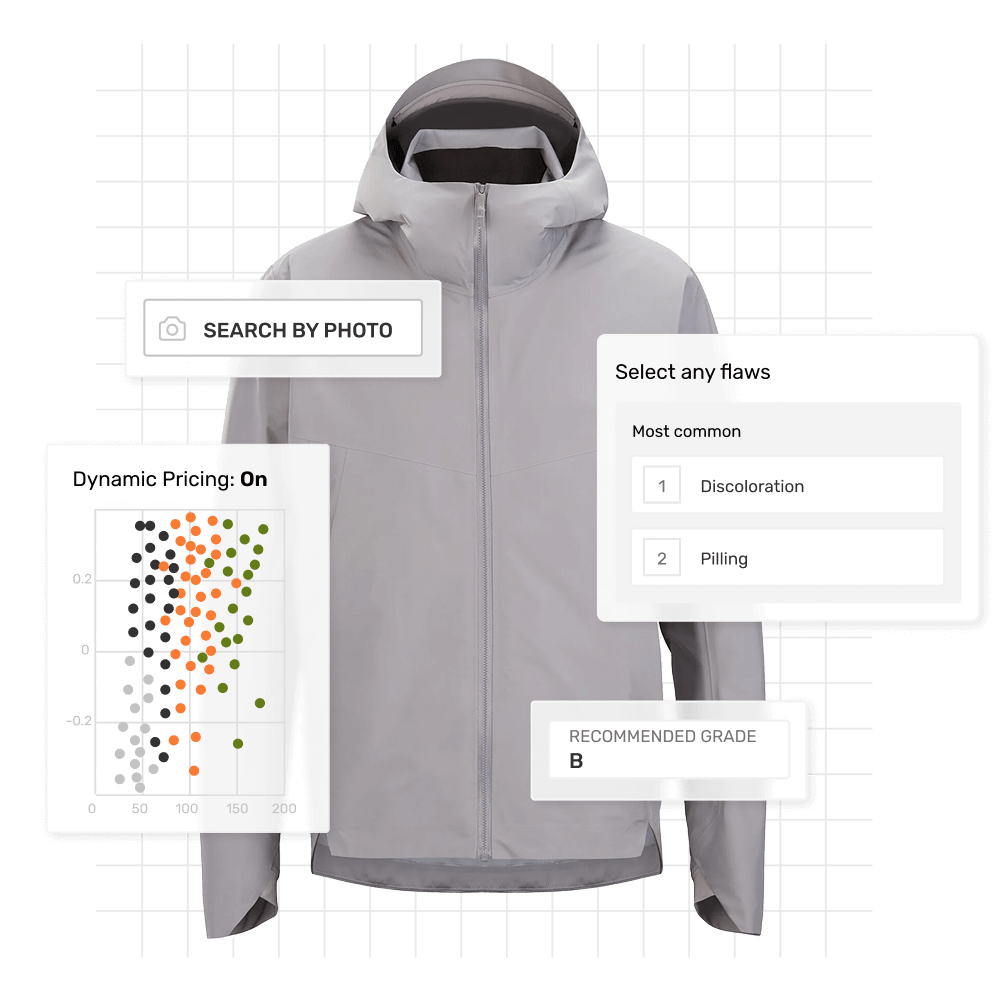
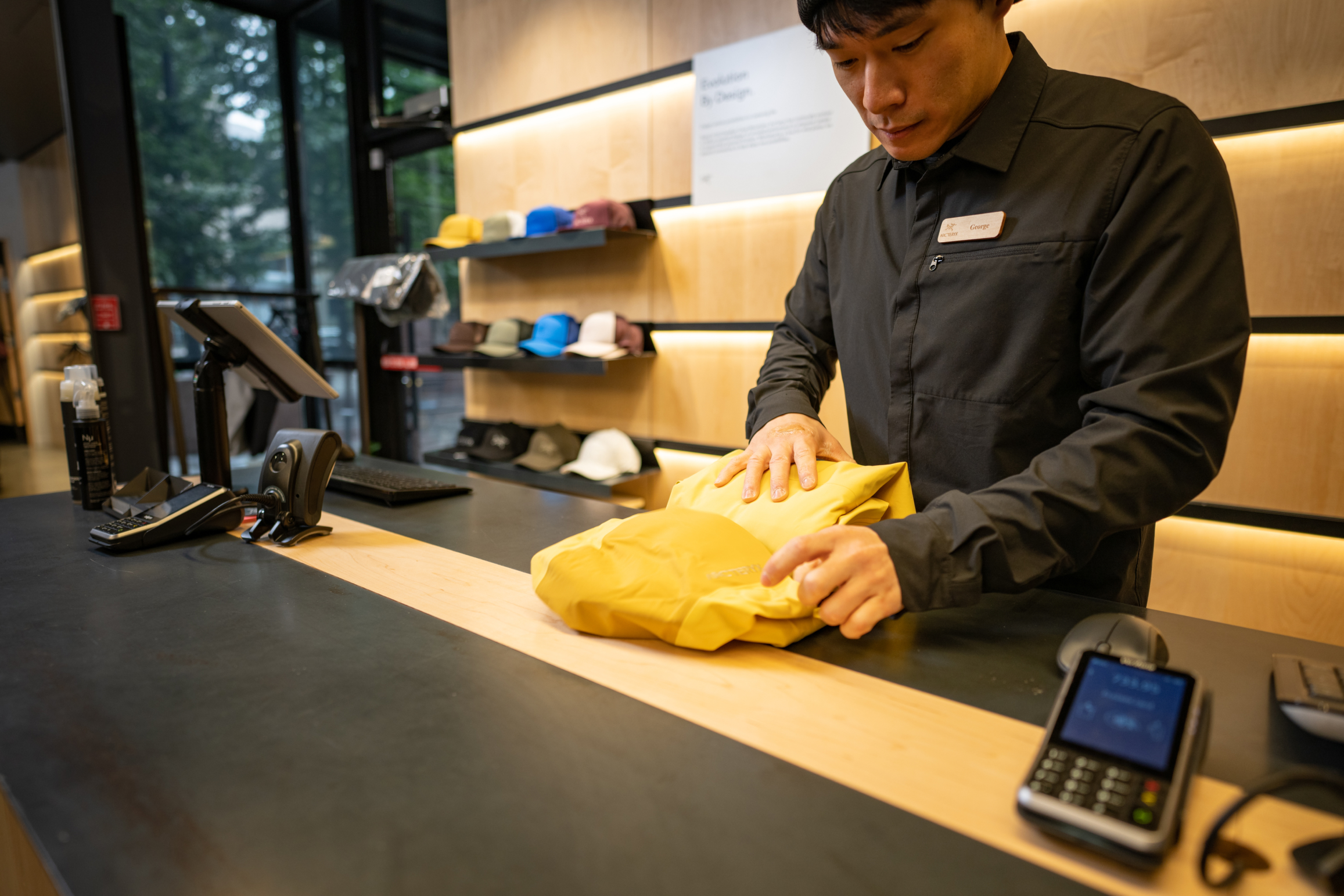
Visual workflows turn check-in into a simple, visual conversation with steps for each associate. Reference images remove doubt, and rule prompts keep the sequence tight. When enough detail is captured, the flow skips ahead and grades automatically.
Why it matters: Teams hesitate less and make fewer errors, so lines keep moving even at peak. New hires ramp quickly because the process is self-explanatory on day one. As a result, more items are processed per shift without sacrificing accuracy.
Your standards live inside the workflow, not in someone’s memory. Side-by-side condition galleries show what “resellable as new” actually looks like for your brand. Anything else is routed to cleaning, repackaging, or secondary channels. Important decisions are logged, so there’s a record to refer back to along the way.
Why it matters: Customers experience the same quality bar no matter the facility or shift. Escalations and “why did this get listed?” conversations drop because the evidence is captured in your system. You also reduce the risk of double returns caused by inconsistent grading.
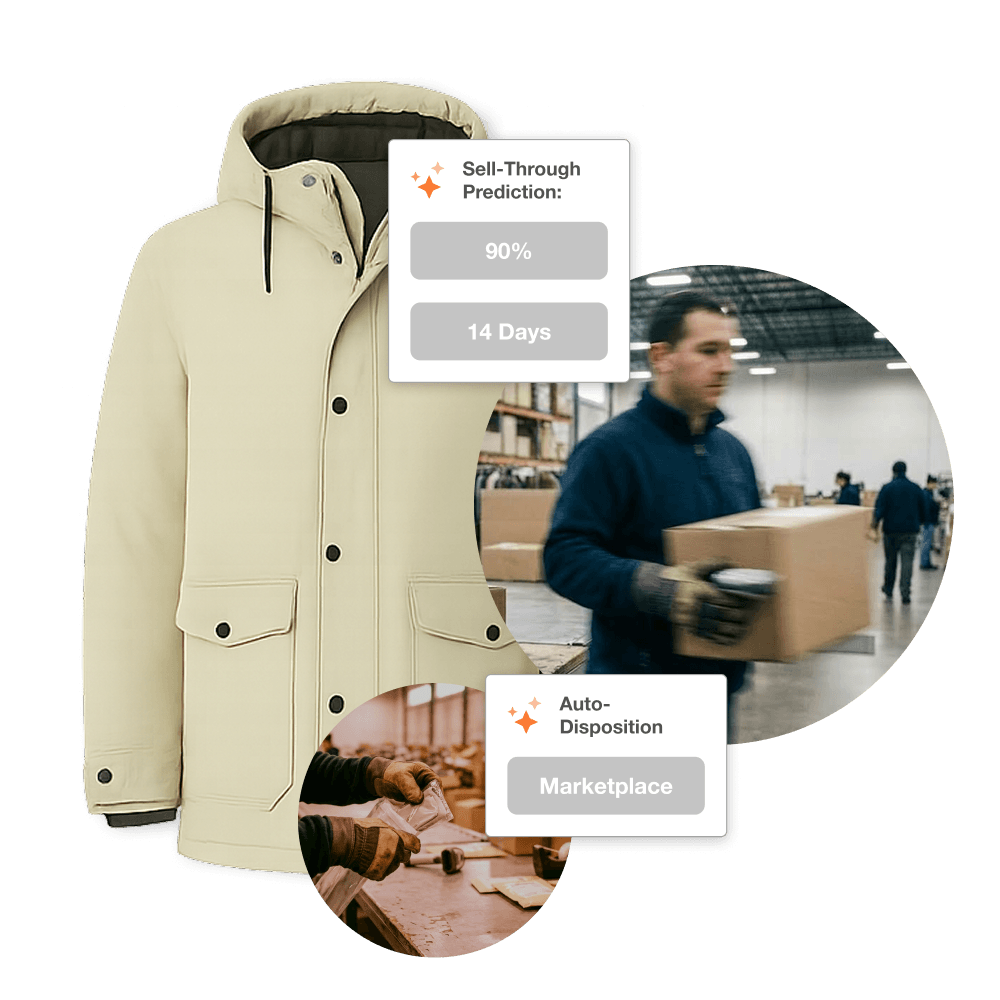
Once an item is graded, the system routes it where it earns the most – back to stock, light cleaning, resale program, etc. Fraud flags and anomalies surface in the flow, so problems get handled right away. Item-level data rolls up automatically.
Why it matters: Inventory gets listed faster and in the right channel, which improves recovery on non-new items and reduces idle time. Fraud losses shrink because issues are caught earlier. The structured data you capture also informs better decisions across merchandising, operations, and customer experience

When visual workflows drive your returns process, every item moves through the same clear path – decisions are faster, outcomes are consistent, and value flows back into stock instead of getting stuck.
Want to see how this works in practice? Trove’s RMS pairs visual workflows with auto-grading and item-level routing. Book a short walkthrough to explore what it could do for your team.
1) What are visual workflows in returns management?
Visual workflows guide associates through item checks using on-screen photos and step-by-step prompts, then recommend the next action using rules based on a brand’s standards.
2) How do visual workflows reduce subjectivity in returns grading?
They standardize what associates look for (like cuffs, lining, zippers, tags) and capture consistent evidence so decisions don’t depend on individual judgment or experience level.
3) Why does effective returns management improve speed and recovery?
When returns are processed with clear rules and consistent decisioning through features like visual workflows, items move through intake, grading, and disposition faster, reducing idle time and preserving more recoverable value.