
Why Different Products Need Different Inventory Aging Rules
Why Different Products Need Different Inventory Aging Rules
4 MINS READ


Every product follows its own recovery timeline. A winter coat coming back in April has a much smaller recovery window than a hiking boot that’s in demand year-round. A limited-edition sneaker may lose value as trends shift, while a premium leather handbag can remain desirable for years.
Yet many brands manage all returned inventory with the same aging rules, and every day a product spends waiting is another opportunity for demand to shift and recovery value to decline.
The good news is that inventory aging isn’t fixed. With the right processes and priorities, brands can build recovery strategies that reflect how different products retain (and lose) value over time.
How to Build Category-Specific Aging Rules
Rather than applying a single aging threshold across every returned product, brands can create recovery strategies that reflect how different categories behave. Here are four places to start.
1. Identify Which Categories Lose Value Most Quickly
Not every category is equally sensitive to time. Start by identifying where delays have the biggest impact on recovery performance. Seasonal apparel, fashion-forward products, and trend-driven categories often have much narrower recovery windows than evergreen products or durable goods.
Ask questions like:
- Which categories experience the biggest drop in recovery value over time?
- Which products are tied to seasonal demand?
- Which categories consistently require faster turnaround to maximize recovery?
Understanding these patterns helps determine where operational speed matters most.
Once you’ve identified which categories are most time-sensitive, you can define category-specific aging thresholds that trigger action before recovery value begins to decline.
2. Standardize What Happens When Inventory Reaches Aging Milestones
When inventory reaches predefined aging milestones, establish clear next steps.
Pair each aging milestone with an action, such as repricing, prioritizing processing, or routing to a different recovery channel. By pairing thresholds with standardized actions, teams spend less time deciding what to do with returned inventory and more time moving it toward recovery.
Start by defining one default response for each milestone. This gives teams a clear starting point instead of requiring a new decision every time inventory reaches its threshold.
3. Put the Right Inventory at the Front of the Queue
Rather than processing inventory strictly in the order it arrives, create service-level expectations for different product profiles. For example, seasonal products nearing the end of their selling window or high-demand resale inventory may warrant expedited processing.
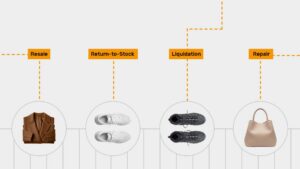
Building this into daily workflows helps teams focus limited labor where it can have the greatest impact on recovery outcomes, rather than treating every return with the same level of urgency.
4. Start Simple, Then Refine
You don’t need dozens of aging rules to get started. Begin with broad product groups, such as apparel, footwear, electronics, or outdoor gear, and establish aging timelines that reflect their general recovery patterns. As you gather more data, you can introduce more granular rules based on seasonality, recovery performance, or product characteristics.
Recovery Is About Tradeoffs
As returns volumes continue to grow, brands won’t have the time or labor to give every product the same level of attention. The strongest recovery programs acknowledge that reality. Rather than applying one timeline across every product, they prioritize the inventory where speed matters most and build workflows that reflect those differences.
Category-specific aging rules aren’t just about reducing delays. They’re about making smarter tradeoffs, allocating limited resources where they can preserve the most value and accepting that not every return requires the same urgency.
Ready to Improve Recovery Performance?
See how leading brands use Trove RMS to optimize returns and recovery workflows. Learn more.
Your Returns Questions, Answered
- What is inventory aging in resale?
Inventory aging refers to how long returned products spend in the recovery process before they’re restocked, resold, repaired, or routed to another channel. As inventory ages, demand and recovery value can change, making timing an important part of recovery performance. - Why should different products have different aging rules?
Different products lose recovery value at different rates. Seasonal apparel, fashion items, electronics, and durable goods all have different demand patterns, so applying the same aging timeline across every product can lead to missed recovery opportunities. - How do brands decide which returned inventory to prioritize?
The strongest recovery programs prioritize inventory based on recovery potential rather than arrival date. Products with shorter selling windows, higher resale demand, or greater recovery value are often processed first to maximize value. - How can technology improve inventory recovery?
Returns management systems help brands create standardized workflows, automate recovery decisions, identify aging inventory before it becomes a backlog, and give teams better visibility into where products are waiting in the recovery process.